


Cultural views on gambling A global tapestry of beliefs and practices
Historical Perspectives on Gambling
Gambling has existed in various forms throughout human history, reflecting the values and beliefs of different cultures. In ancient civilizations, such as the Greeks and Romans, games of chance were integrated into social gatherings and religious festivities. These early forms of gambling were often seen as ways to appease the gods or predict the future, illustrating how intertwined gambling is with cultural practices. If you’re looking to take advantage of exciting offers, check out our 1xbet promo code for great deals.

As societies evolved, the perception of gambling shifted. In some cultures, it was embraced as a form of entertainment, while in others, it was met with skepticism and regulation. For instance, in the Middle Ages, gambling was often associated with sin and vice, leading to strict laws against it in certain regions. This historical context helps to understand contemporary attitudes towards gambling and its place in various societies.
Regional Attitudes Toward Gambling
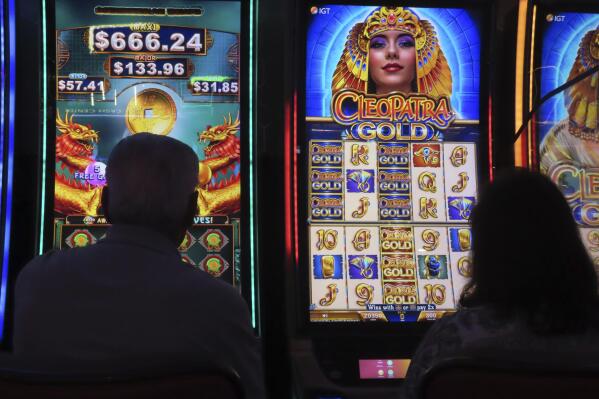
Different regions across the globe exhibit a diverse array of beliefs about gambling. In places like Las Vegas and Macau, gambling is a major industry, considered a legitimate form of entertainment and a key driver of tourism. The vibrant casinos and gaming establishments in these areas thrive, attracting millions of visitors seeking excitement and the chance to win big.
Conversely, in many parts of the Middle East and Asia, gambling is often frowned upon and can be illegal. In Islamic cultures, for example, gambling is prohibited, viewed as a distraction from spiritual duties and a potential source of social problems. Understanding these regional differences provides insight into the complex cultural tapestry surrounding gambling worldwide.
Gambling and Cultural Identity
For some cultures, gambling is a significant part of their identity and traditions. Indigenous communities in North America, for instance, have long engaged in various forms of gambling, often linked to spiritual practices and community bonding. These traditions highlight how gambling can serve as more than mere chance, reinforcing social structures and cultural narratives.
On the other hand, in some societies, gambling may be associated with negative consequences, such as addiction and social inequality. These cultural narratives shape the way communities respond to gambling, leading to initiatives aimed at raising awareness about gambling addiction and promoting responsible gaming practices.
Modern Influences on Gambling Practices
The rise of technology and online gaming has transformed gambling practices globally. The internet has made it easier for individuals to participate in gambling from the comfort of their homes, creating a new set of challenges and opportunities. Online casinos and sports betting platforms have become immensely popular, leading to discussions about regulation and the ethical implications of digital gambling.
This technological shift also influences cultural perceptions of gambling. Younger generations tend to view online gambling as a mainstream form of entertainment, while older populations may cling to traditional views. As societies adapt to these changes, the conversation around gambling continues to evolve, addressing issues such as addiction, inclusivity, and the impact of advertising.
Understanding Gambling Through Awareness and Education
To navigate the complex world of gambling, awareness and education are crucial. As cultures grapple with the implications of gambling, initiatives aimed at promoting responsible gaming and recognizing the signs of gambling addiction have emerged. Public campaigns and educational programs can help individuals understand their relationship with gambling and the potential risks involved.
Through increased awareness, communities can foster healthier attitudes toward gambling, addressing addiction issues and promoting a balanced approach. This collective effort can help transform gambling from a potential vice into a culturally accepted form of entertainment, ensuring that it does not overshadow important societal values.